Open Water Certified, Now What? The Dive Arizona Roadmap for New Divers
Liz Robinson Jul 22, 2026
Open Water Certified, Now What? The Dive Arizona Roadmap for New Divers
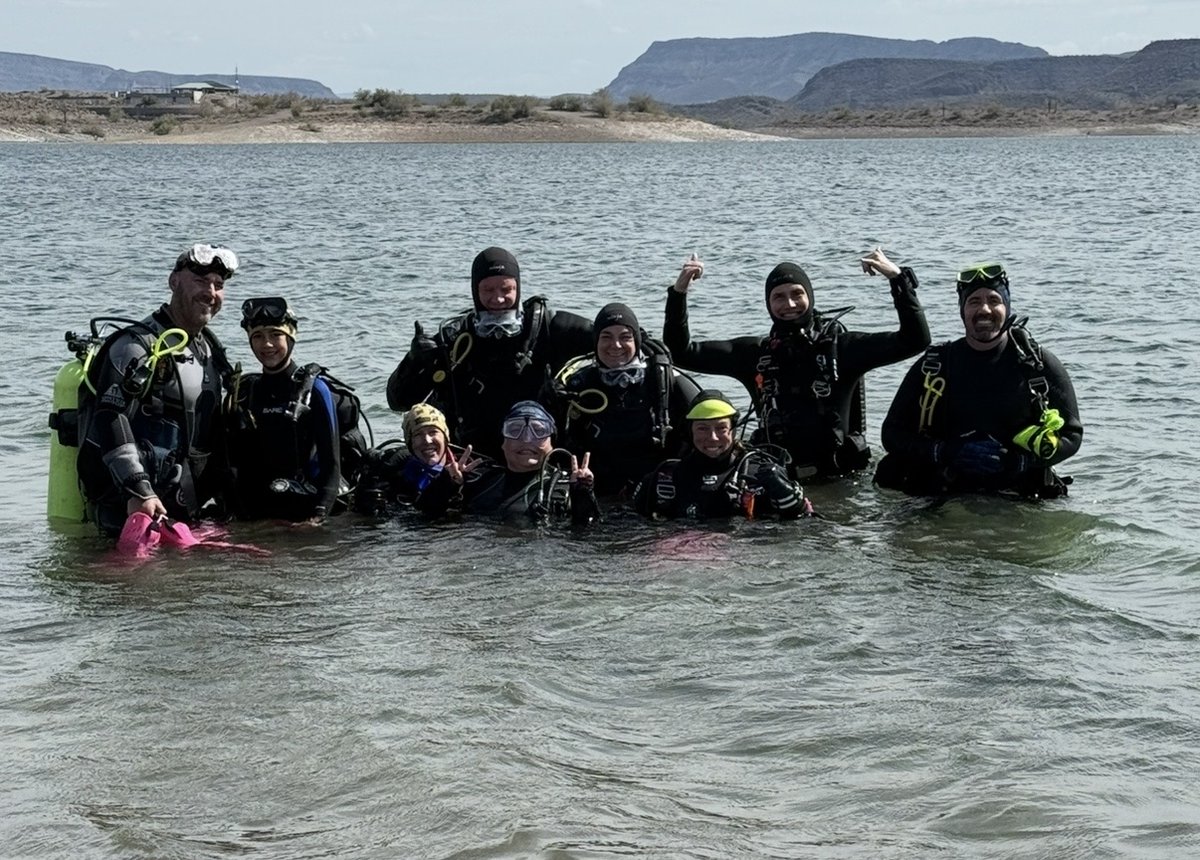
The card is the start line, not the finish. What you do in the next few weeks decides the kind of diver you become.
You just got Open Water certified in Arizona, so what comes next? Keep diving. Before you buy a single piece of gear or plan a big trip, get back in the water while your skills are still fresh. Aim for a dive every two to four weeks, rent whatever gear you need, and dive with a shop that mentors you. Everything else on this roadmap, the courses, the kit, the travel, is here to support that one habit.
By Liz Robinson
First, the One Rule That Matters: Keep Diving
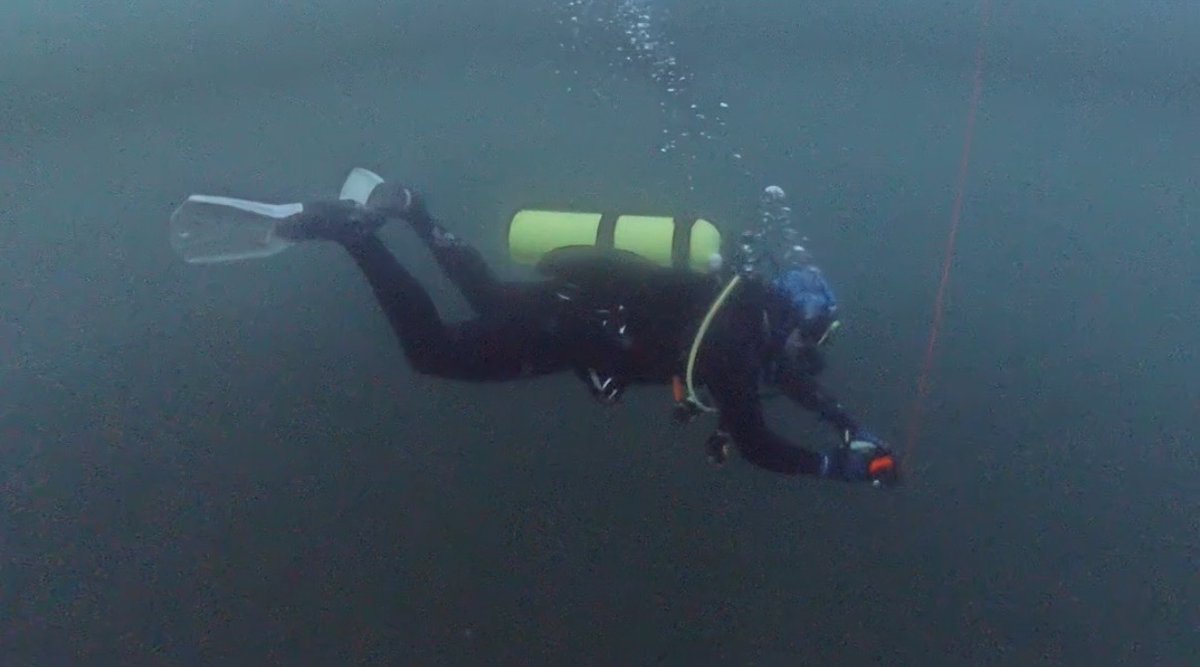
Here is what I wish every new diver understood the day they got certified. Your card does not make you an experienced diver, your logbook does. The skills you learned in class are real, but they are brand new, and skills that do not get used get rusty fast. The divers who go on to love this sport for life almost all have one thing in common. They dove again soon after certifying, and they kept a steady rhythm going.
You do not need to become a fanatic. You just need to not let months pile up between dives while everything you worked for quietly fades. A good target starting off is a dive every two to four weeks. That is often enough to keep your buoyancy sharpening, your gear handling automatic, and your confidence growing instead of slipping backward.
Experience is the thing that turns a certified diver into a confident one, and there is no shortcut for it. You get it by showing up and diving.
The Easiest Way to Stay in the Water: Dive With Us
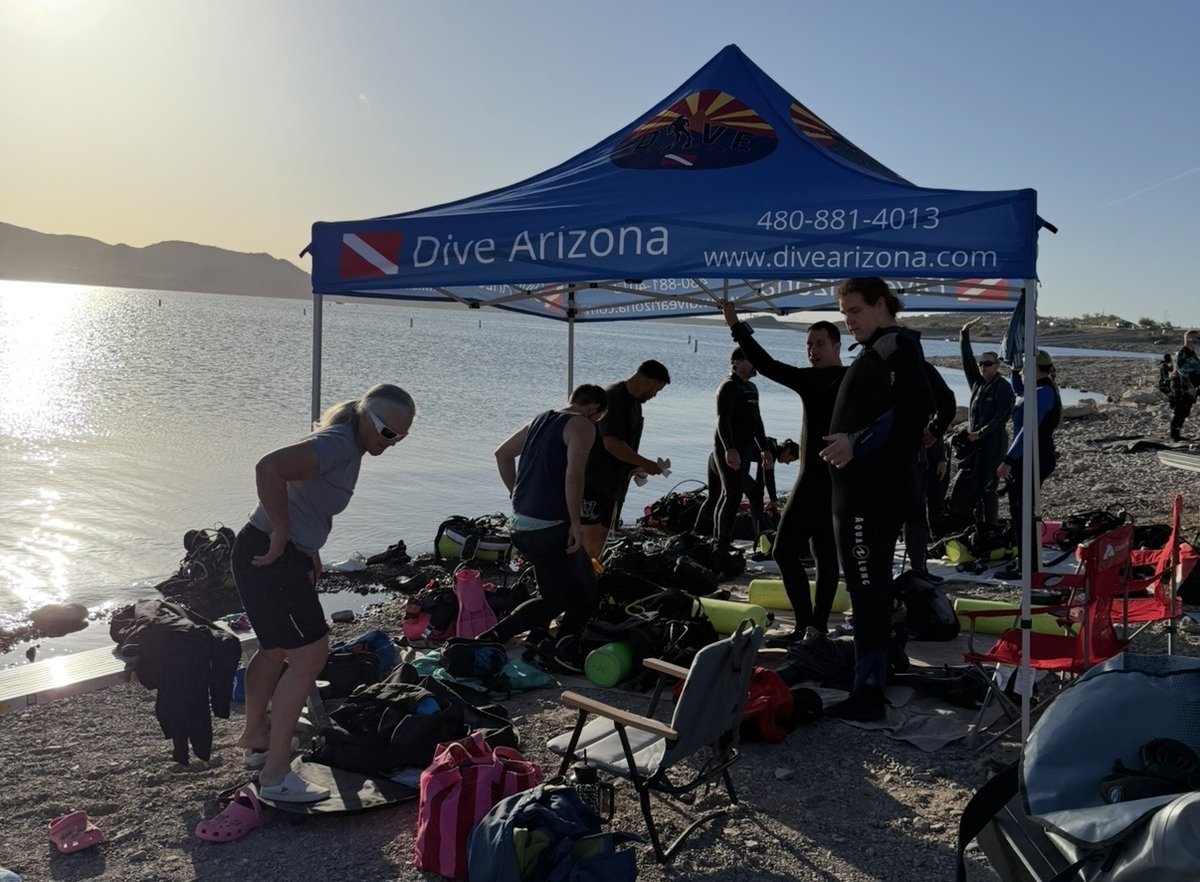
If you take nothing else from this post, take this. You do not have to figure out how to keep diving by yourself. The single best move a newly certified diver can make is to get on the schedule with a shop, and here is how simple that can be.
- Reach out. Call us at (480) 881-4013 or stop by the shop in Queen Creek and tell us you are newly certified and want to keep diving. That is the whole ask, and we take it from there.
- Rent your gear. You do not need to own a full setup to keep diving. Rent tanks, a BCD, and a regulator from us so cost and closet space are never the reason you stayed home.
- Come out with us. Join a local charter at Lake Pleasant or Lake Mohave, or get in on the next group dive. It helps to know what a Lake Pleasant dive is actually like before you go, and we cover the rest on the day.
- Get mentored. This is the part you cannot buy in a box. Diving alongside our instructors means someone is there to fine-tune your trim, talk through your air management, and answer the questions you did not know you had.
When You're Ready, Add Some Training
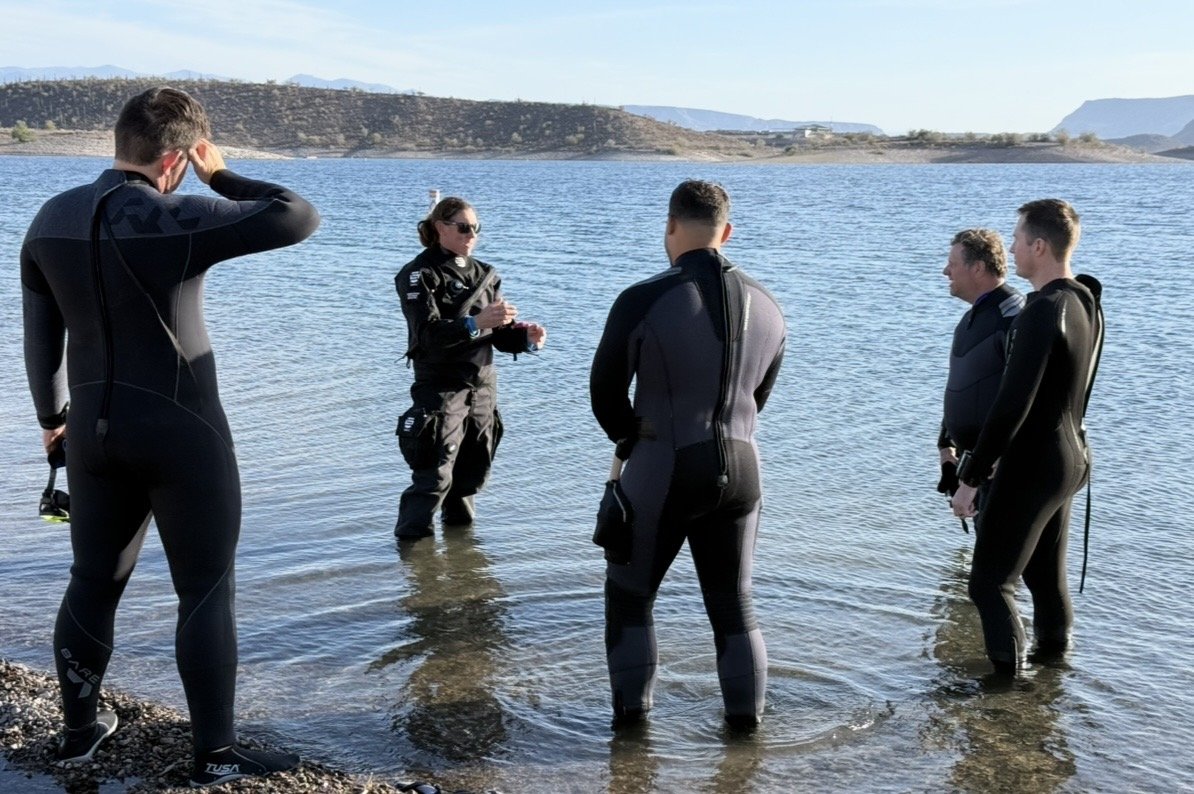
Once you have a few dives under your belt and you feel comfortable in the water, continuing your education opens up new kinds of diving and helps you improve faster. I would put this after "just keep diving," not before it, because courses work best when you already have some real dives behind you.
- Advanced first. Advanced Adventure or the full Advanced Diver rating is the most common next step, letting you try deeper dives, navigation, and night diving under an instructor's eye. SDI lays out the official Advanced Adventure course overview if you want the agency version, and if you are torn between the two, we broke down the difference in a separate post.
- High-value specialties. Computer Nitrox is one of the cheapest upgrades to how a dive day feels, and a dedicated Advanced Buoyancy course can do more for your comfort than almost anything else.
- Rescue and beyond. When you are ready, Rescue Diver is the course most divers say changed them the most. It is where you stop thinking only about yourself and start diving as a true buddy.
Training is a great addition, and it works best on top of regular diving rather than in place of it. The water is still the main teacher.
Build Your Kit in the Right Order
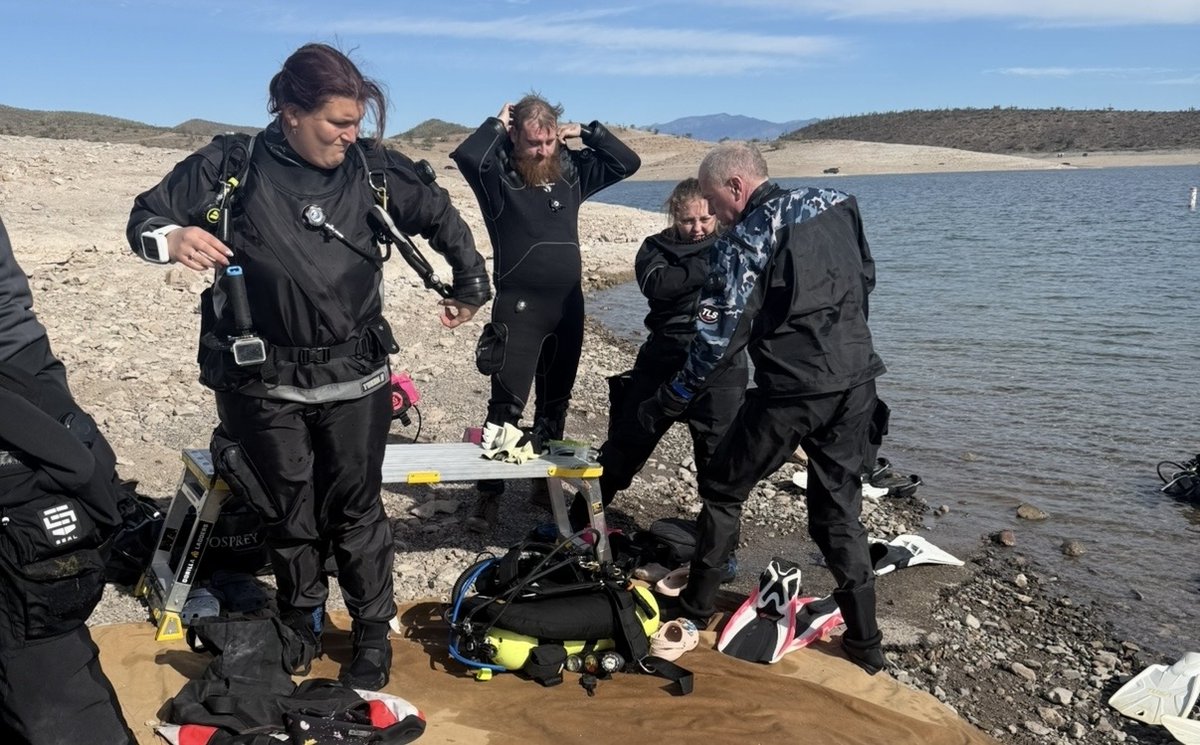
Owning your gear makes diving easier and more comfortable, and it is a natural part of growing into the sport. You do not have to buy everything at once, and there is a smart order to it.
| Buy in this order | Why it comes here |
|---|---|
| 1. Dive computer | Your first major purchase. It keeps you safe, logs your dives, and travels with you no matter what else you rent. Here is the full case for why it goes first. |
| 2. Exposure suit | You already own the personal-fit basics from class, so your own wetsuit or drysuit is the next fit item worth owning. It keeps you warmer than rental sizing, and we help you match the thickness to the water. |
| 3. BCD and regulator | The bigger-ticket items, worth taking your time on. Come try a few BCDs on in the shop before you commit, since fit matters more than any spec sheet. |
Until you build a full kit, rent from us with zero guilt. Plenty of happy, active divers rent for a good while before they own it all.
Put a Trip on the Calendar
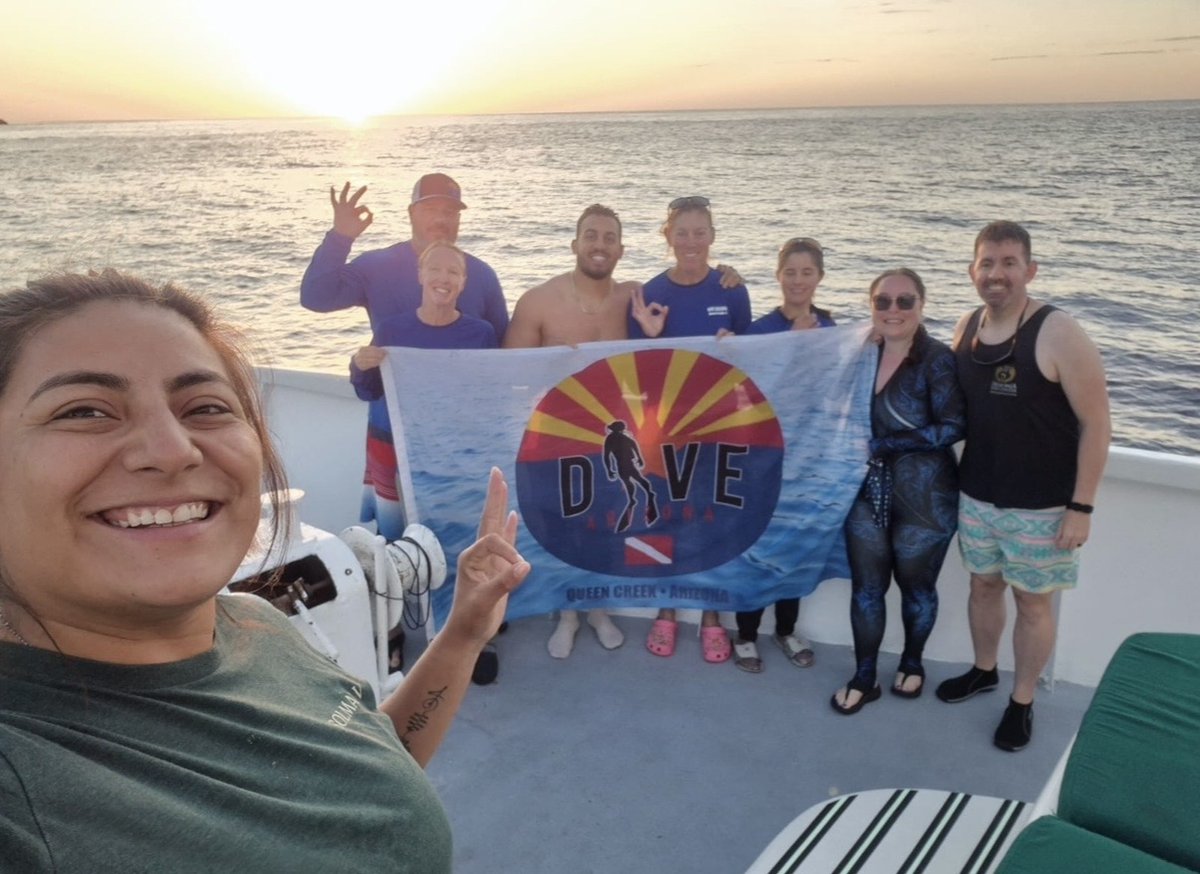
Nothing keeps you motivated to stay current like having something to stay current for. A trip on the calendar turns "I should go diving" into "I am diving in six weeks and I want to be ready."
Your first big trip does not have to be far. San Carlos, Mexico is a weekend drive from Queen Creek and a great place to log warm-water dives with the group. From there, we run trips to places like Roatan, Fiji, and the Maldives. Traveling with us means you are diving with people you already know, in a group where a newer diver fits right in and there is always someone looking out for you. The friendships you make on a dive trip are a big reason people keep coming back.
Your First-Year Roadmap at a Glance
| When: | What to do: |
|---|---|
| Right now | Get your next dive on the calendar before your skills cool off. |
| Every 2 to 4 weeks | Keep diving locally. Rent gear, join a charter, dive with us. |
| After a handful of dives | Add an Advanced or specialty course to unlock new diving. |
| As you go | Build your kit in order, starting with a dive computer. |
| This year | Book a trip, dive with the group, and become part of the community. |
What sits at the top of that list, and runs through every step of it, is the diving itself.
Frequently Asked Questions
I just got certified. What is the very first thing I should do?
Get your next dive on the calendar before your skills get rusty. The easiest way is to call us at (480) 881-4013, rent whatever gear you need, and come out on a local dive with us. Do not overthink it, the goal is simply to get back in the water soon.
Do I need to buy all my own gear before I can keep diving?
Not at all. You can rent everything you need from us for as long as you like, and plenty of active divers rent for months before they build a full kit. When you are ready to buy, start with a dive computer, then add your own exposure suit, and save the BCD and regulator for last.
How often should I dive as a new diver?
Aim for a dive every two to four weeks starting off. That is frequent enough to keep your buoyancy and gear handling sharp and your confidence climbing. After that first year, every couple of months keeps you comfortable.
What course should I take next?
For most new divers, Advanced Adventure or Advanced Diver is the natural next step, and Computer Nitrox is a high-value, low-cost specialty. There is no rush. Get some real dives in first, then add training to open up new kinds of diving. If you are unsure, we help you pick.
Can I come dive with you even though I am brand new?
Yes, and we hope you do. Diving with our instructors and experienced divers is the best way to build confidence, because you get real-time coaching on things like trim, air management, and site awareness. Newer divers fit right in on our local charters and group trips.
Where can I dive near Phoenix as a new diver?
Lake Pleasant is the closest open water to the Valley, about an hour from Queen Creek, and it is where most local divers log their first dives after certifying. Lake Mohave is the other regular local option. Both work well for new divers when you go with people who know the sites and match your gear to the season.
So that is the whole roadmap, and it comes down to one thing. Keep diving. Reach out to us in Queen Creek, rent what you need, and come get in the water with people who will help you grow. There is no substitute for experience, and the only way to get it is to go, so give us a call at (480) 881-4013 or stop by the shop and let's get your next dive on the books.
Let's. Go. Diving.