Lake Pleasant Diving: What New Divers Should Know
Amanda Krugen Jul 25, 2026
Lake Pleasant Diving: What New Divers Should Know
Lake Pleasant is the closest open water dive site to Phoenix, about an hour from Queen Creek. New divers should plan for cold water below the thermocline, visibility that swings from 40-plus feet in winter to under 10 in summer, and altitude adjustments, since the lake sits near 1,700 feet. Most shore dives run 60 to 70 feet.
You can be geared up and breathing off a regulator at Lake Pleasant faster than you can drive to most Valley dive shops and back. That is the whole appeal. It is the backyard dive site for everyone in the Phoenix metro, and for a lot of divers it is where they log their first dive after checkout weekend.
Here is what nobody tells you on your first trip out there. Lake Pleasant is not the warm, clear water you trained to picture. It is a desert reservoir with a personality, and it changes month to month. Show up expecting a swimming pool and you will have a rough day.
Show up knowing what you are getting into, and it is one of the best places in Arizona to build real skills.
Where Lake Pleasant Is, and Why New Divers Start Here
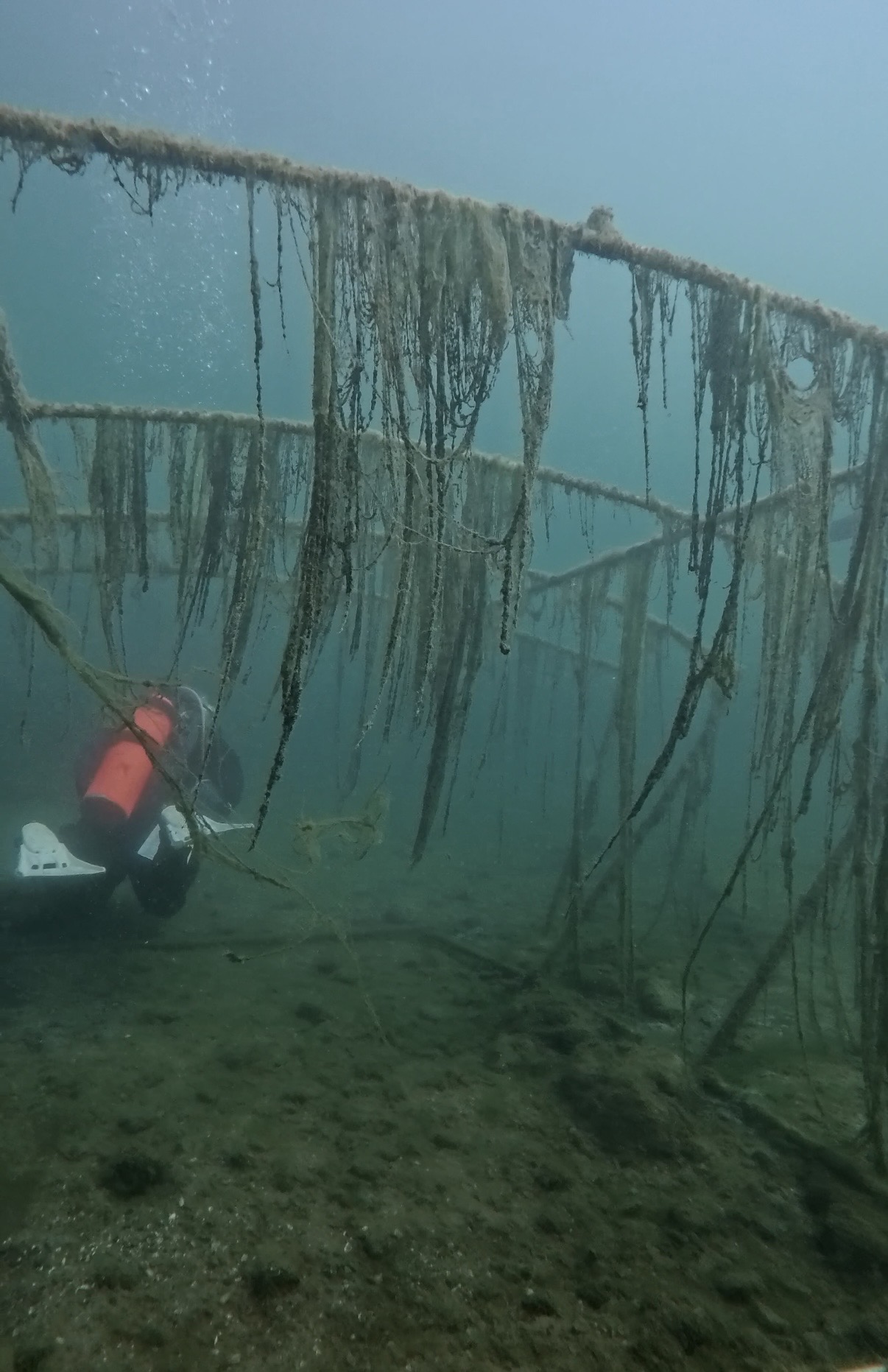
Lake Pleasant sits off the Carefree Highway northwest of Phoenix, tucked into the Sonoran Desert about an hour from Queen Creek. It is the closest open water to the metro, which is exactly why it earns its reputation as the go-to training and fun-dive spot for Valley divers.
The lake is big. It covers roughly 10,000 acres of surface water and can reach depths of about 260 feet when the reservoir is full, according to Maricopa County Parks. You are not diving anywhere near that as a new diver, and you should not want to. But it tells you something about the site: there is enough range here to grow into for years.
Most new divers stick to shore diving, and that is the right call. You walk in from the bank, drop down, work on skills, surface, sit in the sun, and do it again. No boat schedule, no drama. It is a relaxed way to rack up dives and get comfortable in your gear.
What the Diving Is Actually Like
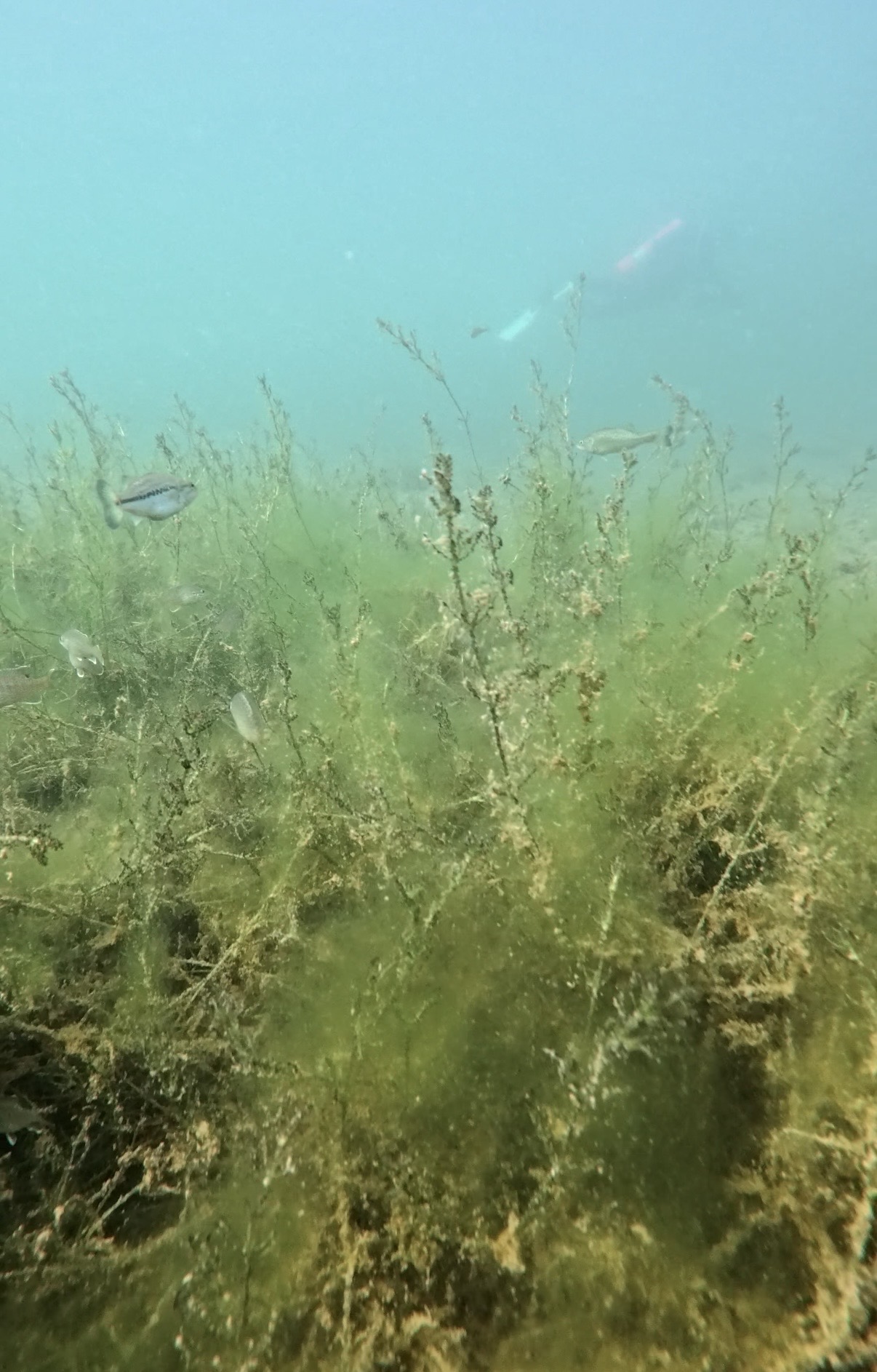
Freshwater desert diving is its own thing. You are not going to see coral or sea lions. What you will see is catfish, carp, bluegill, and bass moving through rock walls and canyon formations, with the occasional training platform that a local group has sunk over the years.
The popular shore sites are Sunset Ridge, Vista Point, and Desert Tortoise. They give you sloping terrain, some structure to follow, and easy depth control, which is what you want when you are still working on staying off the bottom.
The famous feature is the submerged Old Waddell Dam, which flooded when the new dam was finished in the 1990s. Divers can explore sections of the old structure, and it is a genuinely cool piece of history to swim through. It is also deep and technical in places, so it sits well past where a new diver belongs. Put it on the list for later, after you have logged the dives and the training to earn it.
Lake Pleasant rewards divers who respect it and humbles the ones who don't. Come prepared and it becomes the site you keep coming back to.
Conditions Change More Than You Think
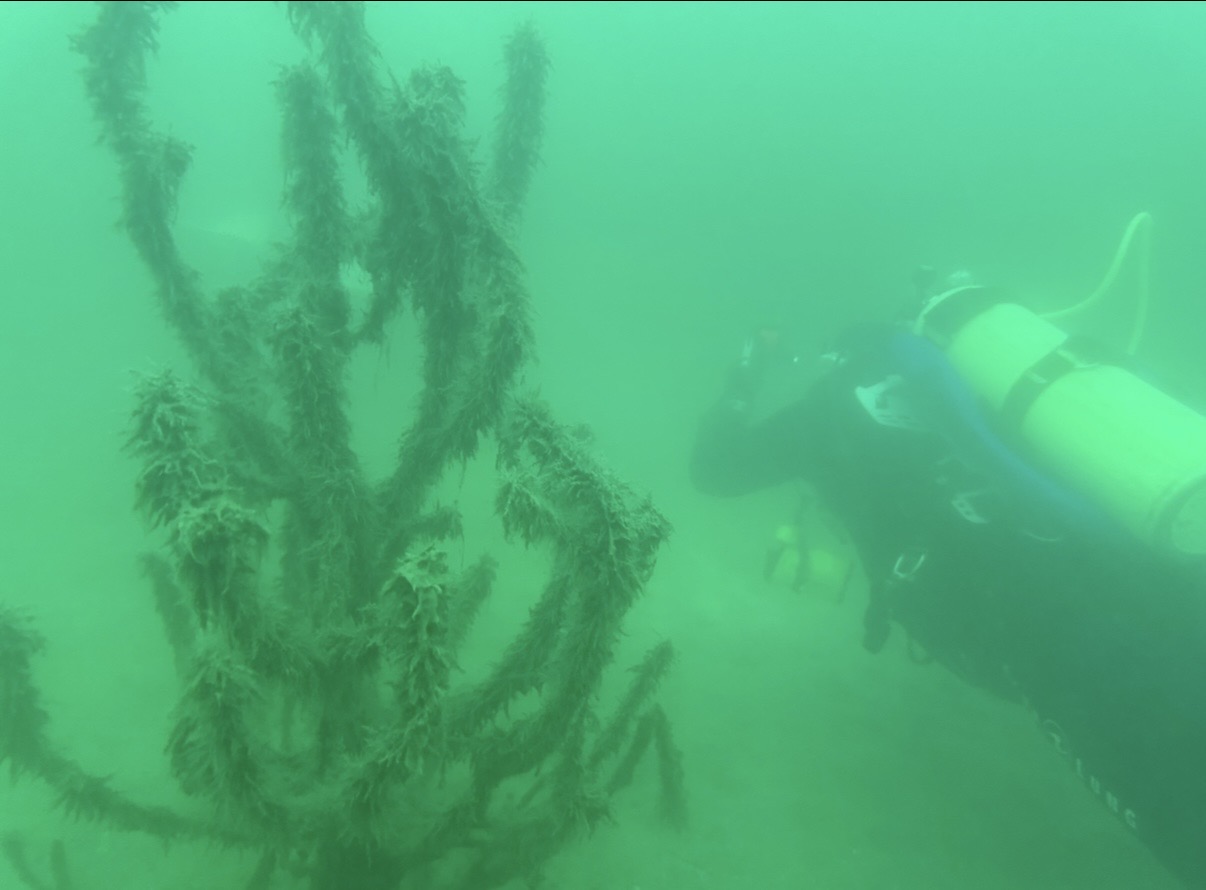
This is the part that surprises people most. Visibility and water temperature at Lake Pleasant swing hard with the season, and the season you pick changes the whole dive.
In winter, the water is cold and turnover is low, so visibility opens up to 40 to 60 feet. In summer, warmer surface water and algae drop it to 5 to 10 feet. Spring usually lands somewhere in the comfortable middle. Temperature follows the same pattern: surface water dips into the mid-50s in winter and gets cold enough at depth that a drysuit is the right tool, while summer surface temps climb high enough that some divers skip the wetsuit entirely.
Here is the quick version, so you can plan around it:
| Season | Visibility | Water Temp | Best For |
|---|---|---|---|
| Winter (Dec–Feb) | 40–60 ft | Mid-50s at surface, colder deep | Best viz, drysuit or thick wetsuit weather |
| Spring (Mar–May) | 20–30 ft | Warming, comfortable | The sweet spot for new divers |
| Summer (Jun–Aug) | 5–10 ft | Warm surface, cold thermocline | Easy exposure gear, low viz |
| Fall (Sep–Nov) | 15–30 ft | Cooling, pleasant | Fewer crowds, decent viz |
One more variable people forget: the water level itself. Lake Pleasant is a working reservoir, and levels rise and fall through the year as water is stored and released, which the Central Arizona Project manages. That moves your entry points and changes how deep a given site runs. Check current conditions before you load the car.
What New Divers Get Wrong at Lake Pleasant
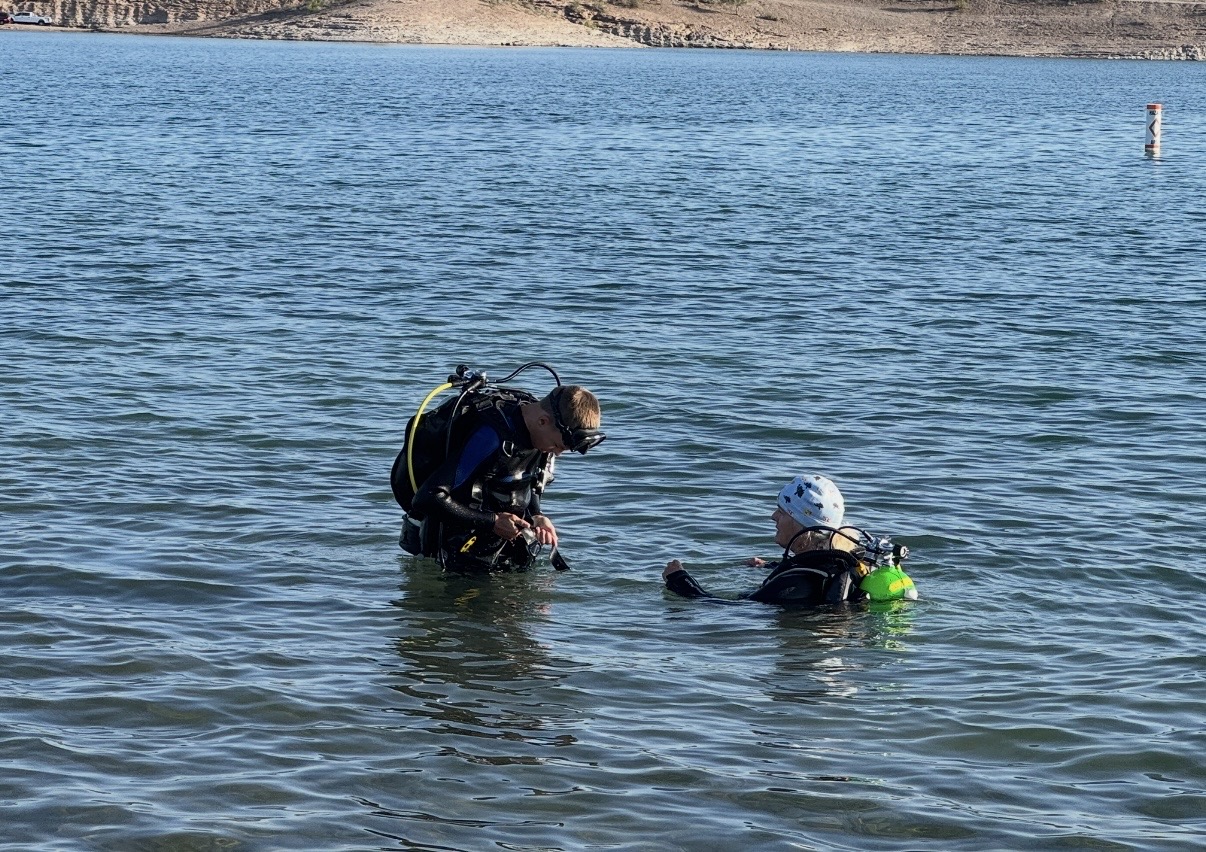
A handful of things trip up first-timers here, and every one of them is avoidable.
It's an altitude dive. Lake Pleasant sits roughly 1,700 feet above sea level, which is over the 1,000-foot line where altitude diving rules kick in. That means your no-decompression limits are shorter than they would be at sea level, and your computer needs to be set for altitude. Most modern dive computers adjust on their own, but you need to know it is a factor. Nobody covers this in a warm-water resort course.
The cold hits below the thermocline. Even in summer, you can drop through a sharp temperature break and hit water that is far colder than the surface. Divers who dressed for the warm top layer get cold, tired, and rushed. Dress for the deepest, coldest water you plan to be in, not the water you are floating on.
Silt and buoyancy make or break your viz. The bottom at Lake Pleasant is fine sediment. One sloppy fin kick near the floor and you have browned out your own dive and everyone else's. This is where solid buoyancy stops being a checkout-dive skill and starts being the thing that decides whether you can see. If yours still needs work, that is worth sorting before you go.
Before your first dive out there, make sure you can honestly say:
- You are diving within your certification limits, which for a new Open Water diver means 60 feet, not the dam.
- Your exposure suit matches the season and the depth, not just the surface temperature.
- Your computer is set for altitude, and you have checked current water levels and park conditions.
Getting Started: A Few Things Worth Sorting Before You Go
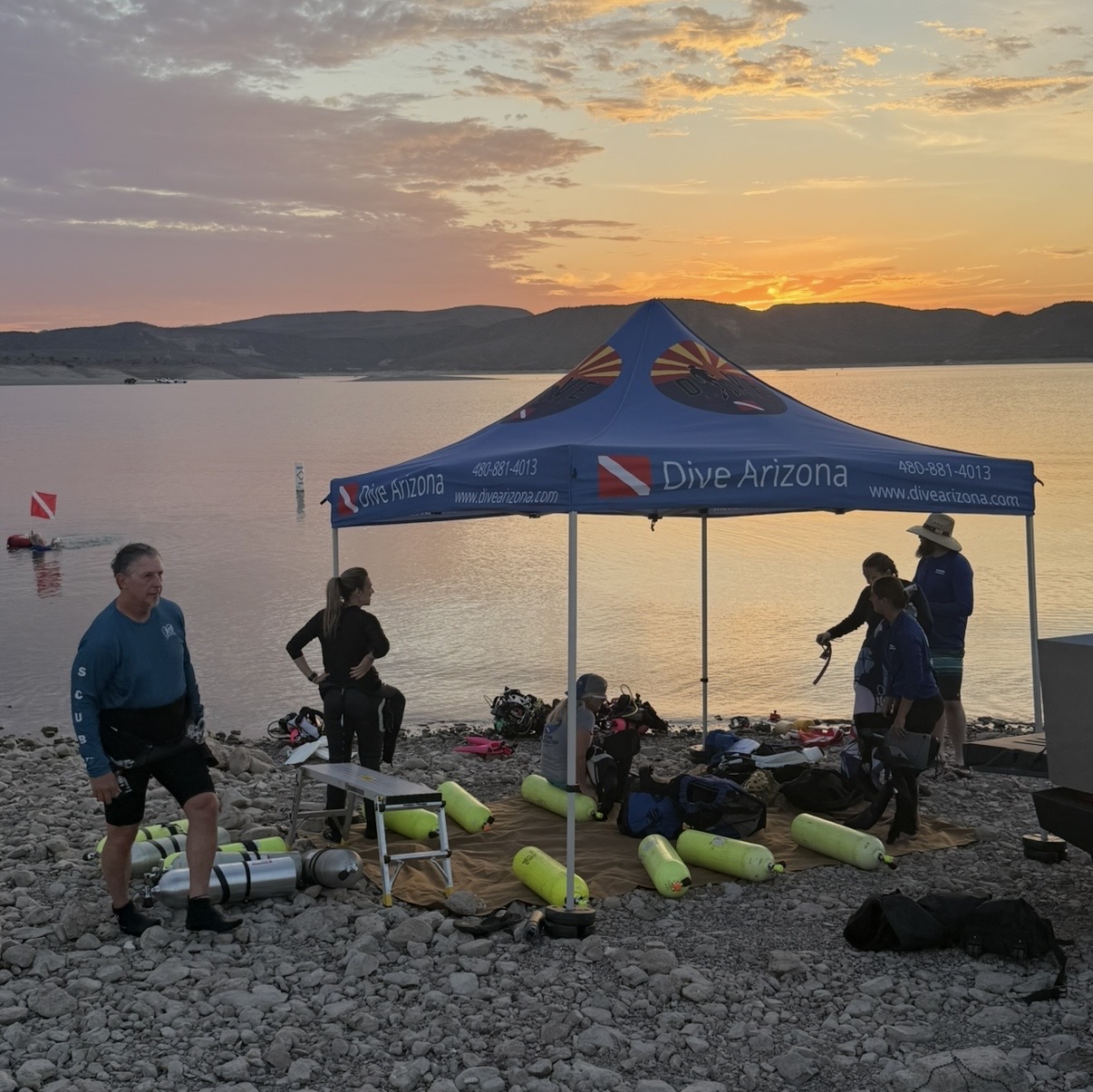
None of this is complicated. It just goes better when it is handled before you are standing on the bank.
Sort your exposure gear first. Match the suit to the season using the table above. If you do not own a drysuit or a thick wetsuit yet, rent one rather than freezing through your dives. Cold divers cut trips short.
Fill your tanks ahead of time. Fill up at the shop before you drive out so you are not hunting for air once you arrive. It is one less thing to solve at the water.
Know the entry fee and the hours. Lake Pleasant Regional Park charges a modest day-use entry fee, and the rates were updated in January 2026, so check the current Maricopa County Parks fees before you go. Park hours shift seasonally too.
Go with people who know the site. For your first few dives here, a shop day or a guided dive takes all the guesswork out of entries, depths, and conditions. You dive, someone else handles the logistics.
Ready to Dive Lake Pleasant?
We run Lake Pleasant dive days year-round, and it is the easiest way to get your first local dives in without wondering whether you packed the right suit or picked the right site. Show up, we handle the rest.
Grab a spot on our next Lake Pleasant dive day →
For dive site breakdowns, water temps by season, and everything else in one place, see our full Lake Pleasant scuba diving guide.
New to local diving in general? Start with our rundown of dive sites near Phoenix to see what else is within a day's drive.
Frequently Asked Questions
Is Lake Pleasant good for beginner divers?
Yes, with the right expectations. The shore sites like Sunset Ridge and Vista Point offer easy entries and manageable depths that suit new Open Water divers. The catches are cold water at depth, seasonal visibility, and the fact that it is an altitude dive, so plan for those and it is an excellent training site.
How's the visibility when diving Lake Pleasant?
It depends heavily on the season. Winter brings the clearest water at 40 to 60 feet because the water is cold and turnover is low. Summer drops to 5 to 10 feet thanks to warm water and algae. Spring and fall usually land in the 15 to 30 foot range.
How cold is the water at Lake Pleasant?
Surface temperatures fall into the mid-50s in winter and get colder as you descend. Summer surface water is warm, but a sharp thermocline can still put much colder water below it. Dress for the deepest, coldest water you plan to reach, not the surface.
Do I need special training to dive the Old Waddell Dam?
Generally, yes. The submerged Old Waddell Dam sits at depths and involves structure that push beyond new-diver limits, and parts of it call for advanced or technical certification. New Open Water divers should stick to the shallower shore sites and build toward the dam with more training and experience.
Is Lake Pleasant considered an altitude dive?
Yes. The lake sits around 1,700 feet above sea level, which is above the 1,000-foot threshold where altitude diving procedures apply. Your no-decompression limits are shorter than at sea level, and your dive computer should be set for altitude. Most modern computers adjust automatically.
What does it cost to get into Lake Pleasant for diving?
Lake Pleasant Regional Park charges a day-use entry fee that is collected per vehicle at the gate. The county updated its fee schedule in January 2026, so check the current Maricopa County Parks rates before your trip. There is no separate charge to dive beyond that park entry.