Is Rescue Diver Certification Worth It? What the Course Covers
Amanda Krugen Sep 12, 2026
Is Rescue Diver Certification Worth It? What the Course Covers
You've got your Advanced Adventure card, or fifteen logged dives sitting in your log book, and someone at the shop mentioned Rescue Diver as the next step. This one is different from every course before it. It asks more of you before you even show up, it's the hardest set of skills you'll practice in the water so far, and it changes how you dive on every trip afterward, not just the ones where something goes wrong.
The Prerequisites Are Real, and That's the Point
Rescue Diver isn't something you sign up for on a whim between classes. SDI sets real requirements before you can start, and they exist because you're about to practice skills on another diver's body.
- Age: 18, or 15 with a parent's consent.
- Current CPR, First Aid, and Oxygen Provider certifications. A qualified instructor can bundle all three into your Rescue course if you don't already have them.
- SDI Advanced Adventure Diver, or an Open Water certification with at least 15 logged dives.
If you're missing a piece, call the shop before you assume you're not ready. Most divers who think they don't qualify are one bundled class away from meeting every requirement.
The Classroom Side: Preventing and Managing Accidents
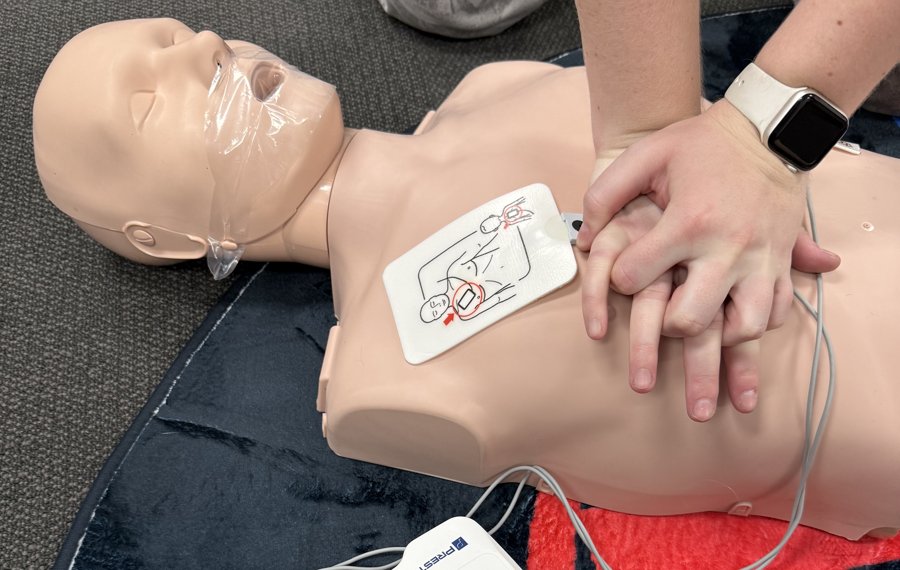
Before you ever practice a rescue in the water, you learn what leads to one. The classroom sessions cover the causes of dive accidents and how to spot stress in a buddy before it turns into a real problem, first aid for dive-related injuries, how to recognize and manage hyperbaric injuries, and how to handle the accident scene itself, including the reporting and legal side most divers never think about until they need it.
The Water Side: What You Practice on a Real Person
This is where Rescue Diver earns its reputation as the toughest course before the professional ranks. You don't just learn about rescues. You do them, on a real person, in open water.
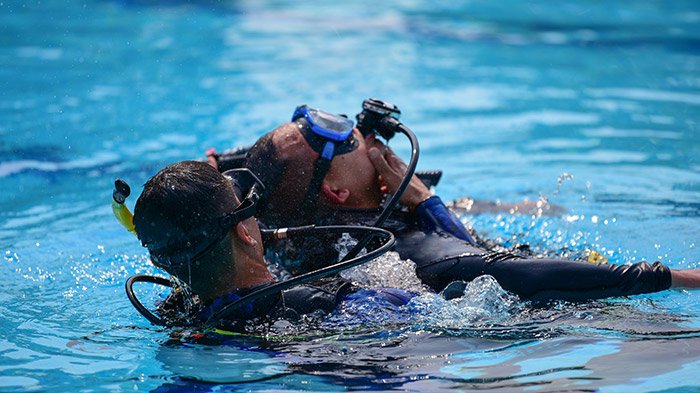
- Self rescue and buddy assists for a tired or stressed diver at the surface.
- Recognizing and calming a panicked diver before the situation gets worse.
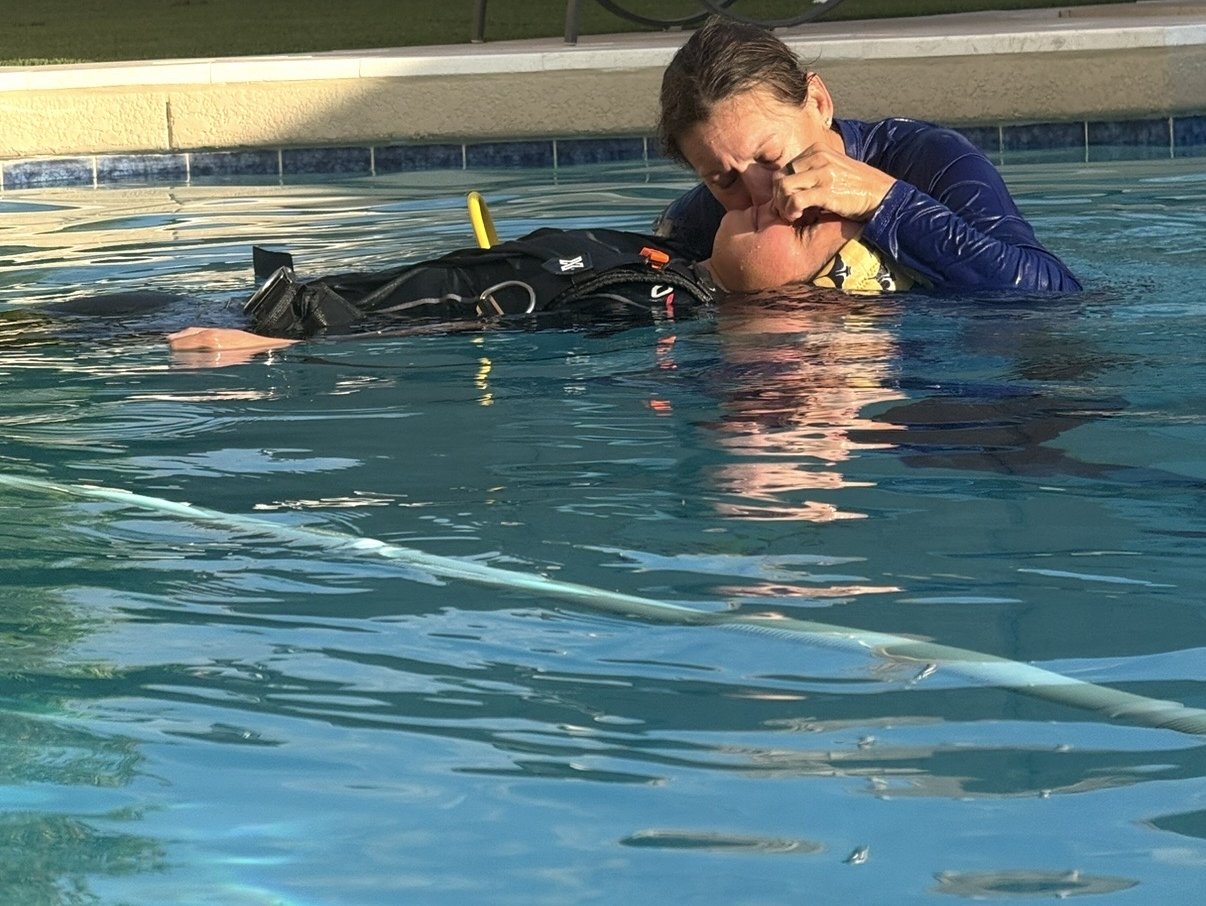
- Bringing an unconscious diver up from 20 feet.
- Towing a diver 150 feet while giving rescue breaths, then getting them out of the water.
You'll also sit a written exam and need to score 80 percent to pass. Most of the course runs over a classroom and pool day followed by a day of open water rescue dives at a local lake, and your instructor sets the exact schedule when you book.
Gear You'll Need to Bring Yourself
Your mask, fins, boots, and snorkel need to be your own for every course we teach, and Rescue Diver adds two more items to that list: a surface signal, either an SMB with a reel or a whistle, and a cutting device. Both matter more here than in any earlier course, since part of what you're learning is how to be found and how to get someone untangled fast. At this point in your diving, we strongly encourage owning your own BCD and regulator. Rentals are still available and included in the class for anyone still deciding on their gear, along with your tank, weights, and wetsuit from our rental gear, and you get a discount on anything you decide to buy while you're enrolled.
Why It's Called the Gateway to the Pro Ranks
Finish Rescue Diver and two doors open at once. You can move into the SDI Master Scuba Diver Development Program, or you can start toward the professional side of the sport with the SDI Divemaster course. Neither path is available to you without Rescue first, which is why so many divers treat it as the real line between recreational diving and everything that comes after.
So, Is It Worth It?
If you plan on diving for years, yes. The skills carry over into every trip you take afterward, whether that's a checkout dive at Lake Pleasant or a boat dive somewhere you've never been. You'll watch your buddies differently, read stress signs before they escalate, and know exactly what to do in the ninety seconds that matter if something goes wrong. That's a different kind of confidence than a card in your wallet.
Frequently Asked Questions
What are the prerequisites for the SDI Rescue Diver course?
You need to be at least 18, or 15 with a parent's consent, hold current CPR, First Aid, and Oxygen Provider certifications, and have your SDI Advanced Adventure certification or an Open Water certification with 15 logged dives.
Do I need CPR and First Aid before I enroll?
You need them by the time you certify, but not before you start. A qualified instructor can bundle CPR, First Aid, and Oxygen Provider training directly into your Rescue course.
What if I don't have Advanced Adventure certification?
You can qualify instead with an Open Water certification and at least 15 logged dives.
What in-water skills will I practice during the course?
You'll practice surface assists, recognizing and calming a panicked diver, bringing an unconscious diver up from 20 feet, and towing a diver 150 feet with rescue breathing before exiting the water.
How is the course graded?
You'll sit a written exam covering accident prevention, first aid, and hyperbaric injuries, and you need to score 80 percent to pass.
What gear do I need to bring myself?
Your own mask, fins, boots, and snorkel, plus a surface signal, either an SMB with a reel or a whistle, and a cutting device. The rest of your gear, including your BCD, regulator, tank, weights, and wetsuit, is included as a rental.
What can I do after I finish Rescue Diver?
You become eligible for the SDI Master Scuba Diver Development Program, and you can start toward the professional ranks through the SDI Divemaster course.
How long does the course take?
Most students finish over a classroom and pool day followed by a day of open water rescue dives at a local lake, though your instructor sets the exact schedule when you book.
If you're not sure whether your certifications and logged dives clear you for Rescue, give us a call and we'll sort it out before you commit to a date.