SDI Solo Diver
Solo diving is not for everyone. It requires significant experience, specific equipment, and a different approach to dive planning and emergency management than buddy diving. But it happens , underwater photographers working independently, professionals who dive without a buddy by necessity, and experienced recreational divers who sometimes find themselves without a partner. The SDI Solo Diver course covers the mentality, the equipment, the planning, and the emergency skills that make solo diving defensible rather than reckless. Prerequisites: minimum age 21, SDI Advanced Diver certification or equivalent, and 100 logged dives. Counts as one specialty credit toward the SDI Advanced Diver rating.
Students must own their own mask, fins, boots, and snorkel for this course.
All students receive a discount on product purchases during enrollment of any one of our courses!
Have Classwallet/ESA funds? Click Here.
Are you a Veteran with a GI Bill? Click here.
Availability: Contact us for booking information
SDI Solo Diver Course
The standard rule in diving is that you always dive with a buddy. It exists for good reason -- a second diver means a second set of eyes, a second air supply, and someone who can help if something goes wrong. The SDI Solo Diver course does not argue against that rule. It exists because solo diving happens regardless, and it is considerably safer when it happens with proper training than without.
Underwater photographers working a shot. Scientific divers on a solo survey. Instructors scouting a site. Experienced recreational divers whose buddy cancels at the last minute. In all of these situations, a trained solo diver makes better decisions, carries the right equipment, and knows what to do when there is no one beside them.
This is not an entry-level course. Minimum age is 21. You need an SDI Advanced Diver certification or equivalent. You need 100 logged dives. The physical requirements include a 600-foot surface swim in full scuba gear. If you meet those prerequisites and have a legitimate reason to dive alone, this is the course that does it correctly.
What the Course Covers
The Solo Diving Mindset
The first section of the course takes an honest look at buddy diving and solo diving side by side. You will cover the history of buddy diving as a standard, the genuine pros and cons of both approaches, the legal liability that buddy diving creates between dive partners, and who legitimately needs to dive alone versus who is simply choosing to. The course also covers when not to solo dive, because the trained solo diver knows which conditions and scenarios make solo diving unacceptable regardless of experience.
Equipment for Solo Diving
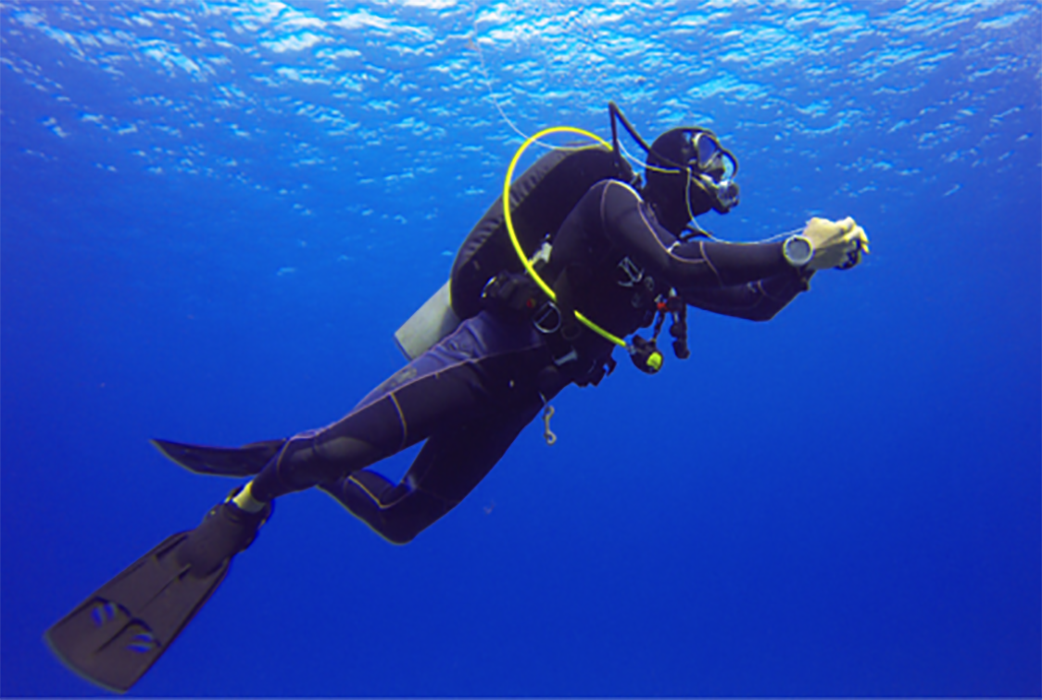
A solo diver carries equipment that compensates for the absence of a buddy. That means a redundant air supply -- a separate, independent backup you can switch to in an emergency without surfacing. It also means a surface marker buoy (SMB) deployed from depth, an audible signaling device for attracting surface attention, and equipment configured so every critical component is accessible to you alone. The course covers configuration, selection, and pre-dive equipment checks specific to solo diving.
Planning and Navigation
Solo dive planning is more detailed than buddy dive planning because there is no one to catch a gap in the plan. The course covers how to calculate dive limits based on your personal air consumption rate, how to plan and execute a dive within those limits precisely, and compass navigation proficiency, which is required to a higher standard when there is no buddy to navigate with you. Decompression monitoring across tables, computers, and redundant equipment is also covered.
Emergency Management Without a Buddy
Without a buddy, every emergency response falls on you. The course covers emergency procedures for solo diving, including switching to your redundant air supply at depth, deploying an SMB from depth to signal your position, and the decision-making framework that a trained solo diver uses when something goes wrong and there is no one to assist.
The Solo Diver Waiver and Liability Framework
SDI Solo Diver certification includes an explicit liability release and assumption of risk agreement. The course reviews this document and the legal framework around solo diving, including the liability that buddy diving creates between partners and how the solo diver waiver changes that relationship. Understanding the legal context is part of the course, not an afterthought.
In-Water Skills
The open water component has more demanding physical requirements than any other course on this page. Required skills include:
- 600-foot (200-metre) non-stop surface swim in full scuba equipment configured for local diving conditions, performed in open water
- Complete pre-dive planning documentation
- Dive limit planning based on personal air consumption rate
- Precise execution of the planned dive within all predetermined limits
- Equipment configuration check appropriate for solo diving
- Proper descent and ascent rates with safety stop procedures
- Continuous decompression status monitoring throughout the dive
- Compass navigation proficiency demonstration
- Emergency switchover to redundant air supply, not to exceed 100 feet (30 metres)
- Surface marker buoy (SMB) deployment from depth
- Audible signaling device use
Who Can Enroll
The SDI Solo Diver course has three prerequisites, all of which must be met before enrollment.
- Minimum age 21
- SDI Advanced Diver certification or equivalent
- Proof of 100 logged dives
These requirements are in place because solo diving without significant experience and a proven skill foundation is genuinely dangerous. If you meet all three, call us at (480) 881-4013 and we will talk through the course.
Counts Toward the SDI Advanced Diver Rating
The SDI Solo Diver certification counts as one specialty credit toward the SDI Advanced Diver Development Program.
Gear and Equipment
Students are required to own their own mask, fins, boots, and snorkel for this course. Dive gear rental such as BCD, regulator, computer, tanks, weights, and wetsuit is included in the course. Solo diving requires a redundant air supply - confirm with us at (480) 881-4013 what redundant air source configuration is required for this course and whether rental options are available. If you'd like to purchase any of your own equipment, we carry a full selection in the shop and all students enrolled in a course receive a discount on purchases during enrollment.
Frequently Asked Questions
Is solo scuba diving legal?
Solo diving is legal in most jurisdictions. It is not endorsed by most recreational diving agencies as standard practice, and many dive operators and charter boats have their own policies against it. The SDI Solo Diver course is SDI's formal recognition that solo diving occurs and that it is better done with proper training than without. The course includes a formal liability waiver and assumption of risk agreement.
What are the requirements for the SDI Solo Diver certification?
Minimum age 21, SDI Advanced Diver certification or equivalent, and proof of 100 logged dives. The in-water skills component includes a 600-foot non-stop surface swim in full scuba gear. Students must also pass the SDI Solo Diver Knowledge Quests with a score of 80 percent.
What equipment do you need for solo diving?
A redundant air supply is the critical addition for solo diving. This is a separate, independent backup air source you can switch to at depth in an emergency without needing a buddy's alternate air source. A surface marker buoy (SMB) and audible signaling device are also required. The course covers equipment selection and configuration in detail.
Why would a diver need to dive alone?
Underwater photographers often work independently to get shots that buddy contact would disrupt. Scientific and survey divers sometimes conduct solo work by necessity. Instructors and divemasters scout sites alone. And experienced recreational divers sometimes find themselves without a buddy at destinations where finding a partner is not straightforward. The course covers this question directly and honestly, including when solo diving is and is not appropriate.
Does Solo Diver count toward the SDI Advanced Diver rating?
Yes. The SDI Solo Diver certification counts as one of the four specialty credits required for the SDI Advanced Diver Development Program.
Can this course improve my buddy diving skills?
Yes, and it is a legitimate secondary reason to take it. Solo dive planning requires a more detailed and self-reliant approach than standard buddy dive planning. Divers who complete the Solo Diver course consistently report that the planning, navigation, and emergency management skills make them more capable and aware as a dive buddy as well.
Ready to Talk Through It?
If you meet the prerequisites and want to discuss whether this course is right for your situation, call us at (480) 881-4013. We are open Monday through Saturday 11am to 6pm and Sunday 11am to 5pm, at 18618 S 186th Way, Queen Creek, inside The Shooting Range.
For more information and to see course standards, click here!